
From the older blocks near downtown to the big lots out west and the small towns along the river: where we work and how the garages change.
Tell us what the door is doing. The estimate is free and you can say no.
Emergency service calls after hours.
Doors off their tracks, cables, rollers.
New doors measured and installed.
Opener repair and replacement.
Springs, openers, cables: usually fixed today.
Regular stops here every week.
Same-day visits where the schedule allows.
Repairs, tune-ups and full replacements.
Bessemer and Mesa Junction are among the oldest parts of town, with detached garages, narrow alleys and single doors on extension springs. The Northside mixes older homes with newer ones. Belmont, near the university, and Sunset Park and El Camino are mostly ranches with attached two-car garages.
Pueblo West spreads out with big lots, RV garages and detached shops. Beyond it, the route runs north to Fountain, east along the river to Avondale and Boone, and south toward the mountains to Colorado City and Rye.
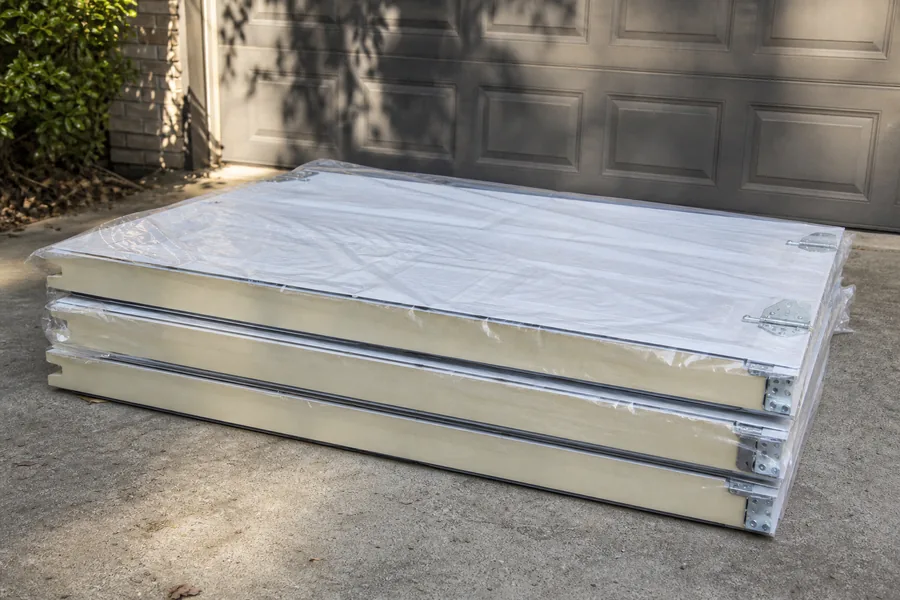
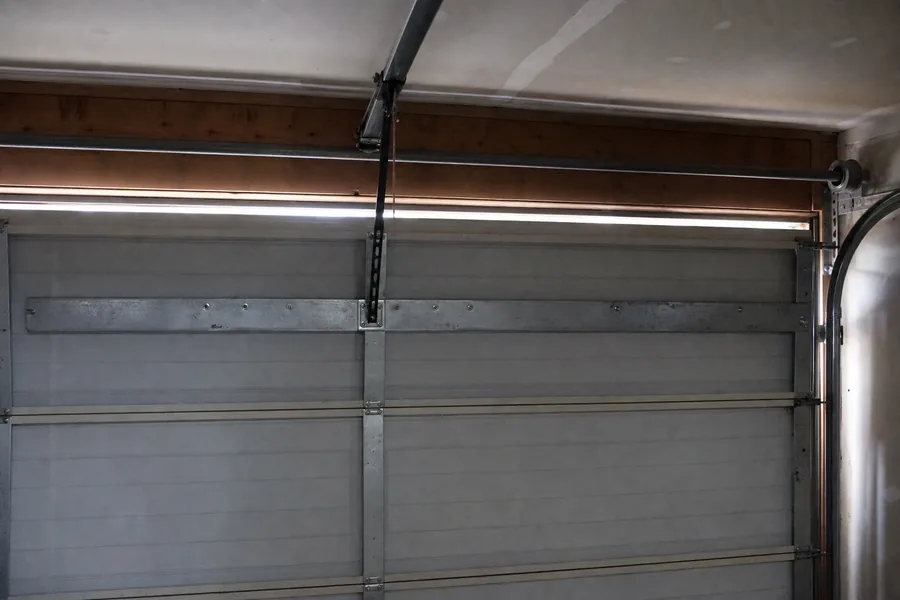
The places we visit most are in the grid above. For the rest, use the map.
We serve this area · If you can see your town on this map, we come to you. Pueblo and about 100 miles around it, not just the city limits.
Down along the river, summers run hot and the wind lifts grit off dry ground. South, toward the mountains, the towns climb higher and get colder winters and more snow, so springs and bottom seals there face frost that the valley floor rarely sees.
Out on the open ground east of town, wind is the constant, and wide doors need struts to keep from bowing. A door that has started to lean in its track is a job for off-track repair.
I-25 runs north and south through the middle of town, US 50 heads west toward the big lots and east along the river, and the loop road on the west side ties them together. Visits on the same side of town are strung together, and each window includes the drive. Calls out past the edge of town get a window that allows for the highway miles and the gravel at the end.
On the west side, lots are big enough for RV garages and detached shops. Those doors are tall and heavy, often insulated, and they need springs and cables sized for the height. Their openers work hard, and opener repair covers what wears first.
Many of those properties have a gate at the road, too. Those gates are covered on the gate repair and gate opener pages.
In the oldest neighborhoods, garages were built for smaller cars and narrower doors, and many openings have shifted over the years. A new door there is made to the opening as it is, and the jambs are checked for rot before anything is hung on them.
Those garages also sit close to the alley and to each other, so the technician asks where to park without blocking a neighbor.
Near downtown: extension springs with safety cables, pulleys, and doors made to older openings. In the ranch neighborhoods: torsion springs, drums and rollers cleaned of grit, and bottom seals replaced. Everywhere: safety sensors wiped clean of dust, since dusty sensors are behind many of the doors that refuse to close; see sensor trouble.
Yes. They're on the route, and the drive is planned into the window.
The map marks the edges. Anything inside them is covered, and if you're near the line, a call settles it.
Yes. The owner signs off on the written estimate, and whoever lives there just opens the garage.
The same day when the route has space. Otherwise the call ends with the first open slot.
Yes. It's free and in writing wherever the garage is.